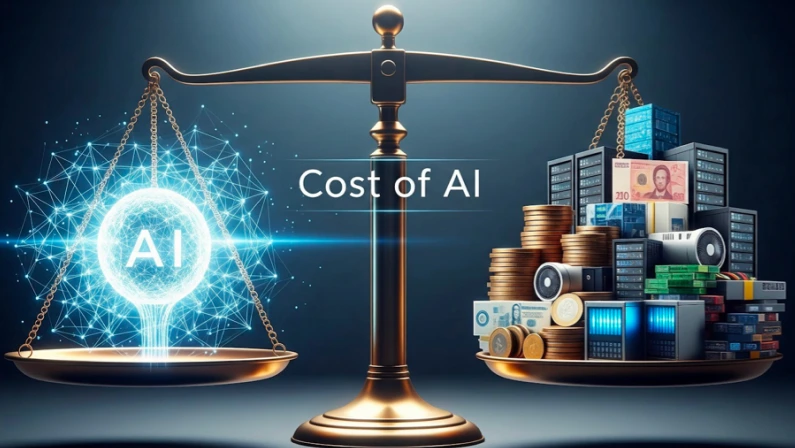
AI is becoming a normal part of how small businesses work, and more owners are trying to figure out how much they should budget. Tools that were once enterprise-only are now affordable, accessible, and built for smaller teams. But with so many subscriptions, pricing tiers, and automation options available, one question stays at the center of every conversation: What is the actual cost of AI for small businesses?
In this article, we’ll break down typical expenses, the factors that influence AI pricing, and how owners can bring AI into their workflow without straining their budget. Whether you are exploring simple tools or planning long-term automation, the right approach makes AI adoption easier and far more cost-effective.
Why AI Is Becoming Essential for Small Businesses
Small businesses are turning to AI because it helps them move faster, respond to customers sooner, and keep up with larger competitors. Many workflows that used to drain time now take minutes, and teams can redirect their energy toward more impactful tasks.
Improved Efficiency and Time Savings
A large portion of daily work involves repetitive or manual tasks. AI tools handle responses, organize data, and automate follow-ups. This shift frees teams from time-consuming routines and creates more room for growth initiatives.
Competitive Advantage in a Digital-First Market
Customers compare businesses online long before they make contact. AI helps small businesses analyze trends, personalize communication, and stay visible in fast-moving digital spaces.
Automation for Repetitive Tasks
Scheduling, customer support, reporting, inventory reminders, and even marketing tasks can run quietly in the background. Once these workflows are automated, teams get a more consistent and predictable workday.
Understanding the Different Types of AI Tools

Before looking at prices, it helps to understand the categories of AI tools small businesses commonly adopt.
AI Chatbots and Customer Support Tools
These manage FAQs, gather customer information, qualify leads, and reduce response times. They are often the first step toward automation.
AI for Marketing and Content Creation
This includes email automation, social media content generation, ad recommendations, and SEO insights. Small teams use these tools to scale production without increasing workload.
AI for Analytics and Reporting
Analytics platforms organize information, identify patterns, and provide clear dashboards that support better decision-making.
Industry-Specific AI
Some businesses need AI built for their niche. Retail uses AI for demand forecasting. Real estate uses AI for listing management. Healthcare uses AI for scheduling and follow-ups.
The Real Cost of AI for Small Businesses
So how much does AI cost? The cost of AI for small businesses varies based on features, usage, and team size. There is no single price that applies to all situations, but most tools fall into predictable categories.
Subscription-Based AI Tools
Most small business AI tools now follow monthly or annual subscription models. Prices range from entry-level plans under twenty dollars to more comprehensive platforms that exceed two hundred dollars each month.
One-Time Software Purchases
Some tools offer lifetime access for a fixed cost. This model works well for businesses that want predictable spending and minimal recurring fees.
Custom AI Development Costs
Custom solutions can cost thousands of dollars, depending on complexity. These projects make sense for businesses with highly specialized needs, but they are not typically necessary for early adoption.
Integration Costs With Existing Systems
Connecting AI to CRMs, websites, or payment gateways may involve setup fees or developer assistance.
Training and Staff Adoption Costs
Teams need time to learn new tools. Simple AI systems reduce the learning curve and lower long-term training expenses.
Factors That Influence AI Pricing

AI pricing 2026 is expected to become more flexible, but several factors still influence the overall cost today.
Number of Users
More user seats often increase subscription levels.
Features and Capabilities
Advanced automation, predictive analytics, and cross-platform integrations usually cost more.
Automation Level Needed
The deeper the automation, the higher the price. This includes tasks such as lead scoring, pipeline management, or full workflow automation.
Data Storage and Security Requirements
Higher data volumes or advanced security add to the final price.
Support and Customization Options
Premium support, onboarding help, and custom setups raise costs but also improve adoption.
Are AI Tools Worth the Investment?
Most small businesses see AI as an investment rather than an expense. The productivity gains alone often justify the price within the first few months.
Cost vs ROI
Good AI tools reduce labor hours, improve conversions, and simplify decision-making. These benefits usually outweigh the AI subscription costs.
Time Savings and Productivity Boosts
Teams work faster and with fewer delays once daily tasks are automated.
Reduction of Human Error
Automation keeps processes accurate, consistent, and repeatable.
Improved Customer Experience
Customers enjoy faster replies, smoother interactions, and better personalization.
How Small Businesses Can Budget for AI
Budgeting becomes easier when owners build a clear AI adoption plan instead of trying everything at once. Here’s what the AI for small business budget looks like:
Start Small and Scale With Usage
Begin with a simple tool and expand as needs grow.
Compare Tools Before Committing
Look at features, limitations, user experience, and long-term pricing.
Consider Bundled AI Solutions
All-in-one platforms offer more value through integrated automation and centralized data.
Track ROI Continuously
Monitoring results keeps AI spending aligned with business goals.
Common Mistakes Small Businesses Make With AI Costs
Many small businesses step into AI with the right intentions but run into predictable hurdles. Understanding these early helps avoid wasted spending and keeps AI adoption smooth and cost-effective.
Overbuying Features They Don’t Need
A lot of AI platforms offer impressive features, but not every business needs the highest tier on day one. Small teams often subscribe to plans built for enterprise-level automation and then end up using only a fraction of what they paid for. Starting with essential tools and upgrading only when usage increases creates a much more sustainable spending pattern.
Not Training Staff Properly
Even the best AI platform loses its value if the team doesn’t understand how to use it. Staff might rely on old processes, avoid the new system, or misuse its features, which leads to frustration and additional support costs. Consistent training ensures people feel confident and helps the business get the full advantage of its investment.
Ignoring Hidden Costs
AI pricing often looks simple on the surface, but extra charges can appear quickly. Add-on automations, premium analytics, data overages, and integration fees are common sources of surprise expenses. Understanding what each plan includes, how usage is measured, and what upgrades cost prevents unexpected billing issues later.
Focusing on Price Instead of Value
Low-cost tools can seem appealing, but they sometimes lack essential features such as proper integrations, automation depth, or reliable support. When a tool cannot scale, businesses end up switching platforms and paying for onboarding all over again. Choosing tools based on long-term value rather than the lowest upfront price saves money in the long run.
Tips for Reducing AI Costs
Small businesses can keep AI spending under control with careful planning, clear priorities, and smart tool selection. These practices make it easier to adopt AI without overspending or complicating workflows.
Use Free or Low-Cost Tools to Start
Many platforms offer starter plans, free tiers, or trial periods that allow teams to test features before committing. This approach helps businesses understand which tools truly fit their needs without immediately increasing expenses.
Choose Tools With Flexible Plans
Subscriptions with adjustable tiers allow small businesses to scale up only when necessary. Flexible plans support growth without locking teams into long-term costs they aren't ready for.
Look for Tools That Integrate Easily
Compatibility matters. When AI tools connect smoothly with existing systems, businesses avoid additional setup costs, custom development, or technical troubleshooting. Tools that integrate naturally also streamline workflows and reduce overall workload.
Take Advantage of AI Automation to Offset Costs
AI should save more time and money than it costs. When automation takes over tasks such as follow-ups, scheduling, content generation, or reporting, the value becomes clear. These gains often offset subscription costs and improve team performance at the same time.
A Smarter Way to Adopt AI for Your Business

AI can feel expensive at first, but the right tools create long-term value. With smart planning, careful budgeting, and a practical adoption strategy, small businesses can use AI confidently without overspending.
Leapify CRM gives small teams access to automation, reporting, and advanced customer insights through one platform. Its predictive AI CRM helps owners automate follow-ups, analyze data, and improve customer engagement without complex setups or high development costs.
Learn more about Leapify’s automation tools, explore our affordable AI solutions at Leapify, or connect through our Contact page to plan an AI adoption approach that fits your business budget.