A small business website should help turn visitors into leads, phone calls, appointments, and customers. Many small business owners spend time and money on a website, only to realize later that it is not generating results. The site may get traffic, but people leave without contacting the business or taking action.
The difference usually comes down to website conversion. A website that converts is designed to guide visitors toward the next step. It answers questions, builds trust, removes hesitation, and makes it easy for people to contact you.
If your small business website is not bringing in enough leads, there are usually a few specific reasons why. The good news is that small changes to your messaging, layout, calls to action, and website user experience can often make a big difference.
Why Website Conversions Matter for Small Businesses
Getting visitors to your website is only the first step. What matters most is what those visitors do after they arrive.
The Difference Between Website Traffic and Website Conversions
Traffic simply means people are visiting your site. Website conversions happen when those visitors take action, such as calling your business, filling out a form, scheduling a consultation, or making a purchase.
A website with fewer visitors can still outperform a busier site if it does a better job converting those visitors into customers.
Why a Beautiful Website Alone Is Not Enough
A website can look modern and still fail to convert. Some sites focus too much on appearance and not enough on what the visitor actually needs.
If people cannot quickly understand what you offer, why they should choose you, or how to contact you, they are likely to leave.
How Conversion-Focused Design Supports Business Growth
A conversion-focused small business website is designed with a goal in mind. Every page, button, image, and section should guide visitors toward taking action.
When your website conversions improve, you usually spend less money trying to get new leads because more of your existing traffic turns into real opportunities.
Start With a Clear Value Proposition
Visitors make a decision about your website very quickly. In many cases, you only have a few seconds to show them that they are in the right place.
What Your Website Should Communicate in the First Few Seconds
As soon as someone lands on your site, they should immediately understand:
- What your business does
- Who you help
- Why your business is different
- What they should do next
If your homepage feels too vague or confusing, people may leave before exploring the rest of the site.
How to Highlight Your Services, Benefits, and Unique Selling Points
Your value proposition should focus on the specific problem you solve and why your business is the better choice.
For example, instead of saying “We provide quality services,” explain exactly what you offer and what makes it valuable. Mention your specialties, experience, speed, pricing, local expertise, or other unique benefits.
Writing Headlines That Speak Directly to Your Ideal Customer
Strong headlines speak directly to the person reading them. Instead of using generic phrases, use language that reflects what your ideal customer wants or needs.
A better headline often answers a question or addresses a problem immediately.
Make Navigation Simple and Easy to Follow
If people cannot find what they are looking for, they are much less likely to become customers.
Why Clean Navigation Improves User Experience
Simple navigation makes your website user experience easier and more enjoyable. Visitors should be able to find important information quickly without feeling overwhelmed.
Too many menu items, confusing labels, or cluttered layouts can make people leave.
How to Structure Menus for Small Business Websites
Most small business web design works best with a simple menu structure that includes:
- Home
- Services
- About
- Reviews
- Contact
If you offer several services, organize them clearly so visitors can find the one they need.
The Importance of Clear Service Pages and Contact Paths
Every service should have its own page. Visitors should not have to dig through several sections just to learn about what you offer.
It should also be easy to find contact information and next steps from any page on the site.
Use Strong Calls to Action on Every Key Page

A website should not make visitors guess what to do next.
What Makes a CTA Effective
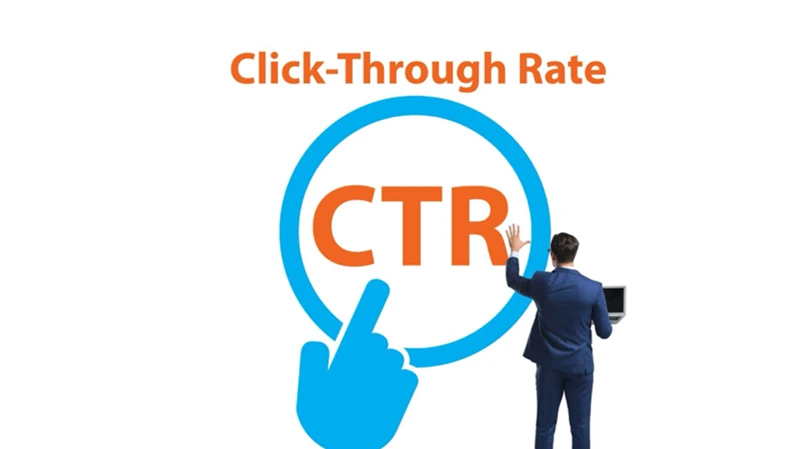
A call to action, or CTA, tells visitors what step to take. The best CTAs are clear, direct, and easy to follow.
Good CTAs often focus on a simple action, such as:
- Call now
- Request a quote
- Book a consultation
- Schedule an appointment
Where to Place Calls to Action for Better Conversion Rates
CTAs should appear throughout the website, especially:
- Near the top of the page
- After important information
- At the bottom of service pages
- In the navigation or header
Visitors may be ready to take action at different points, so the CTA should always be easy to find.
Examples of High-Converting CTA Language for Small Businesses
Instead of a vague button like “Learn More,” try something more specific:
- Get Your Free Estimate
- Talk With Our Team
- Schedule Your Consultation
- Start Your Project Today
These types of phrases tend to convert website visitors more effectively because they are clear and action-focused.
Build Trust With Social Proof and Credibility Signals
People are more likely to contact a business when they feel confident they can trust it.
Why Reviews and Testimonials Influence Buying Decisions
Reviews and testimonials help visitors see that other people have already had a positive experience with your business.
Adding reviews directly to your website can increase website conversions because it helps reduce doubt.
Adding Trust Badges, Certifications, and Experience Highlights
Trust badges, certifications, years of experience, awards, and memberships can all help your business appear more credible.
Examples include:
- Licensed and insured
- Industry certifications
- Years in business
- Professional associations
Using Case Studies, Before-and-After Results, or Client Wins
Showing real examples of your work can be even more powerful than simply talking about it.
Before-and-after photos, client success stories, or short case studies help visitors understand the results you can provide.
Create Service Pages That Match Search Intent
One of the biggest mistakes businesses make is trying to explain everything on one page.
Why Dedicated Service Pages Convert Better Than General Pages
A separate page for each service usually converts better because it matches what the visitor is looking for.
For example, someone searching for roof repair wants to land on a roof repair page, not a general homepage with several unrelated services.
How to Align Website Content With Customer Needs
Every page should answer the specific questions and concerns a visitor might have.
Think about what your customer wants to know:
- What do you offer?
- How does it work?
- Why should they choose you?
- What should they do next?
Including Local SEO Signals for Service-Based Businesses
If your business serves a local area, include your city, neighborhoods, or service areas throughout the page.
This helps with both local SEO and website conversion because it reassures visitors that you serve their area.
Make Contacting You Fast and Friction-Free
Many businesses lose leads because the process of contacting them feels too difficult.
Simplifying Forms to Increase Leads
Long forms often reduce lead generation website performance because people do not want to answer too many questions.
Keep forms simple. Usually, a name, phone number, email, and brief message are enough.
Why Click-to-Call Buttons and Contact Info Matter
On mobile devices, a click-to-call button can make a huge difference. People should be able to call you with one tap.
Your phone number, email, and contact form should always be easy to find.
Reducing Barriers That Stop Visitors From Reaching Out
Small obstacles can hurt website conversions. Requiring too much information, hiding your contact details, or making people search for the next step often leads to lost opportunities.
Improve Mobile Experience for More Conversions
A large percentage of website traffic now comes from mobile devices.
Why Mobile-Friendly Design Is Essential
A mobile-friendly website is no longer optional. If your site is difficult to use on a phone, visitors may leave quickly.
Common Mobile Website Issues That Hurt Conversions
Some of the most common problems include:
- Text that is too small
- Buttons that are difficult to tap
- Slow page speed
- Forms that are hard to complete
How Page Speed and Mobile Layout Affect Lead Generation
Even a few extra seconds of loading time can reduce conversions. A faster site creates a better experience and can improve both SEO and lead generation website performance.
Write Content That Answers Questions and Removes Doubt
People are more likely to take action when they feel informed and confident.
Addressing Common Customer Concerns Before They Ask
Think about the questions customers ask most often and answer them directly on your website.
This may include concerns about pricing, timing, process, warranties, or service areas.
Using FAQs, Benefit-Driven Copy, and Clear Messaging
Helpful content supports both SEO and website conversions. FAQ sections, benefit-driven copy, and clear explanations help visitors feel more comfortable taking the next step.
How Helpful Content Supports SEO and Conversions
Strong content helps people find your website and helps them trust your business once they arrive.
Use Visuals That Support Action, Not Just Appearance
Images and design should make your website feel more trustworthy and easier to use.
Choosing Images That Reinforce Trust and Quality
Photos of your team, office, products, or completed work usually create a stronger impression than generic stock images.
Why Real Photos Often Convert Better Than Generic Stock Images
Real photos help visitors connect with your business. They make the website feel more authentic and trustworthy.
Using Layout, White Space, and Design Hierarchy Effectively
A clean layout with enough white space helps people focus on the most important information. Good design should guide visitors naturally toward your calls to action.
Track What Is Working and Keep Improving
A website should never stay exactly the same forever.
The Importance of Conversion Tracking and User Behavior Data
Tracking helps you understand how people use your website and where they stop before converting.
Key Website Metrics Small Businesses Should Monitor
Important metrics include:
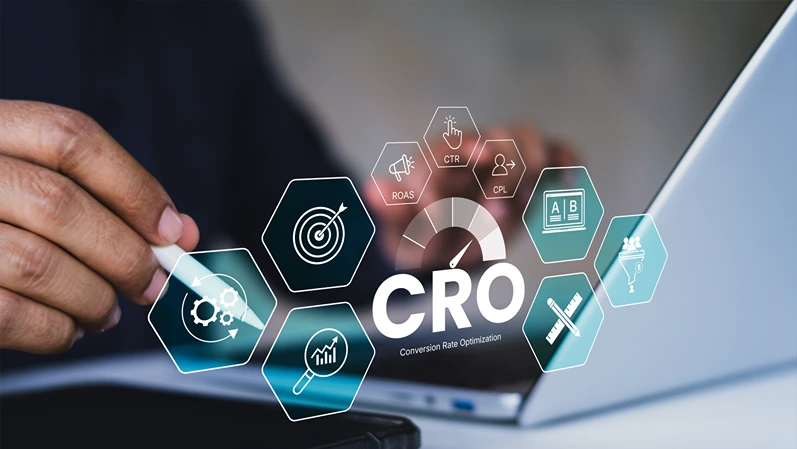
- Conversion rate
- Bounce rate
- Time on page
- Contact form submissions
- Calls and clicks
How A/B Testing and Small Updates Can Improve Results Over Time
Small changes can often improve website conversion. Testing different headlines, buttons, layouts, or forms can help you learn what works best.
Common Reasons Small Business Websites Fail to Convert
Many websites struggle because of a few common problems.
Weak Messaging and Unclear Offers
If visitors do not understand what you offer or why they should choose you, they are unlikely to take action.
Poor Page Structure and Too Many Distractions
Too much clutter, confusing layouts, or too many competing messages can make it harder to convert website visitors.
Lack of Trust Signals, Slow Speed, or Weak CTAs
Without reviews, clear calls to action, strong credibility, and a fast mobile-friendly website, many businesses lose leads before they ever make contact.
A Small Business Website Should Do More Than Look Good
A website should not only look attractive. It should also support lead generation, build trust, and guide people toward becoming customers.
Focus on Clarity, Trust, and Action
The best small business web design focuses on making things simple, helpful, and easy to understand.
Turn More Website Visitors Into Leads and Customers

When your small business website is built around strong messaging, trust, and conversion-focused design, you can turn more website visitors into real leads and customers.
Leapify helps small businesses improve website conversions, lead generation, and customer engagement with tools that make it easier to capture and follow up with leads.
If you want to improve your website conversion rate and turn more visitors into customers, book a demo with Leapify today.
References
- Hubspot — 50 Customer Retention Statistics to Know
Geckoboard — Website Conversion Rate - KPI Example - Zendesk — Customer retention: Definition, metrics, and best strategies
Frequently Asked Questions
Many small business owners have questions about what actually helps a website convert. Here are some of the most common.
What makes a small business website convert visitors?
A website converts better when it has clear messaging, strong calls to action, simple navigation, trust signals, and an easy way for visitors to contact the business.
How can I improve my website conversion rate?
You can improve your website conversion rate by simplifying your website user experience, adding better calls to action, improving page speed, and strengthening trust signals.
Why is mobile optimization important for small business websites?
Most visitors use mobile devices. A mobile-friendly website helps improve both user experience and website conversions.
What should every small business website include?
Every small business website should include clear service pages, contact information, strong calls to action, testimonials, and a mobile-friendly design.
How do trust signals help increase conversions?
Trust signals reduce doubt and make people feel more confident about choosing your business.