
Fashion and lifestyle brands need fresh advertising content to keep shoppers interested, but producing new videos for every campaign can get expensive. AI UGC ads offer another way to create conversational product videos, styling demonstrations, and promotional content using AI-generated presenters, scripts, and visuals. They can help brands experiment with creative ideas faster without organising a photoshoot for every variation.
This guide covers how AI-generated UGC ads work, where they make sense for fashion and lifestyle marketing, and how to create videos that encourage shoppers to take action.
What Are AI UGC Ads?
AI UGC ads are advertisements created with artificial intelligence to resemble the casual, conversational style of user-generated content. Instead of relying entirely on real customers or creators to film videos, brands use AI tools to generate presenters, voiceovers, scripts, and product-focused scenes.
The videos often feature familiar UGC formats, such as product demonstrations, styling suggestions, and direct-to-camera explanations.
Although they may look similar to traditional UGC, AI-generated videos aren't necessarily genuine customer experiences. Brands should be careful not to present fictional AI characters as real customers or invent personal endorsements.

How Do AI-Generated UGC Ads Work?
An AI UGC ad generator typically combines product information, images, scripts, and selected video styles to produce advertising content.
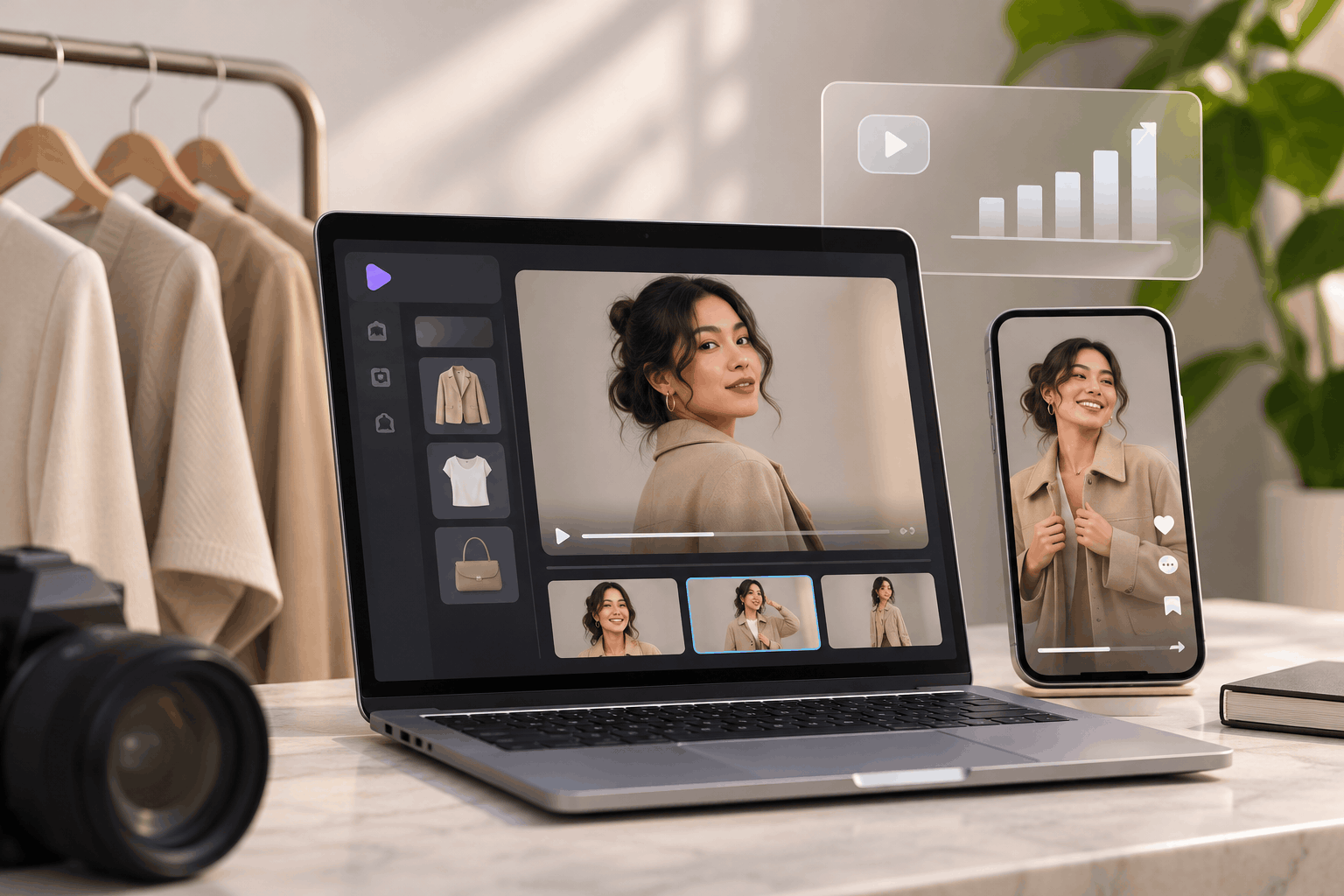
For example, a clothing brand might upload images of a new jacket, write a short script explaining its features, and select an AI presenter to introduce the product. The resulting video can then be edited with captions, music, and a call to action.
Some platforms also support image-to-video generation, synthetic voiceovers, and different creative formats. The exact capabilities depend on the software.
AI UGC Ads vs Traditional User-Generated Content
Traditional UGC comes from real people who create content about products. It often includes personal opinions, actual product use, and firsthand experiences.
AI UGC uses generated elements to recreate a similar presentation style. Brands have greater control over the script and production process, but AI cannot genuinely experience a product or provide an authentic customer testimonial.
Both formats can support advertising campaigns, although they serve different purposes.
Why Are AI UGC Video Ads Becoming Popular?
Fashion and lifestyle advertising moves quickly. Brands launch new collections, introduce seasonal promotions, and regularly refresh their social media campaigns.
AI-generated video ads can reduce the production work involved in creating new variations. Instead of organising another shoot to test a different opening line, marketers may be able to update the script and generate another version.
This makes AI especially useful for creative testing, product announcements, and campaigns that need frequent updates.
Why AI UGC Ads Are Beneficial for Fashion and Lifestyle Brands
AI advertising for fashion brands offers practical advantages, particularly when marketing teams need to produce a steady stream of content across different products and audiences.
Reduce Video Production Costs
Traditional video production may involve hiring creators, arranging locations, organising equipment, and paying for editing.
AI tools can reduce some of these expenses by generating presenters, voiceovers, and supporting visuals digitally.
However, AI production still involves software costs, editing, quality checks, and creative direction. Savings depend on the type of content being produced and how much manual work remains necessary.
Create Advertising Content Faster
A new product launch doesn't always leave much time for video production.
AI tools can help marketers generate initial concepts and video variations without scheduling a separate shoot for each idea. This is useful for testing different messages before investing in larger campaigns.
Product accuracy still needs to be checked, particularly when AI generates clothing details, textures, or demonstrations.
Scale Creative Production Across Multiple Campaigns
A fashion brand might advertise several collections at once, each targeting a different audience.
AI makes it easier to create variations for different products, promotions, and advertising placements. Teams can reuse approved brand assets while changing scripts, opening scenes, or calls to action.
This helps maintain a steady creative pipeline without requiring every variation to be produced manually.
Personalise Ads for Different Target Audiences
A single product may appeal to shoppers for different reasons.
For example, a travel bag could be promoted to frequent flyers for its organisation features and to students for its everyday practicality.
AI-generated UGC ads allow brands to adjust messaging and visuals for different audience segments. Personalisation should be based on relevant product benefits rather than unsupported assumptions about individual customers.
Maintain Consistent Brand Messaging
Brands need advertising content that reflects their identity, especially when several campaigns run simultaneously.
AI tools can help teams work from approved scripts, product descriptions, and creative guidelines. This reduces the need to recreate messaging for every variation.
Human review remains important to catch inaccurate claims, inconsistent visuals, and awkward language.
Test Multiple Advertising Creatives Without Additional Photoshoots
Sometimes a small change in the opening line or product demonstration can affect how viewers respond to an ad.
AI allows marketers to test different hooks, scripts, and visual approaches without filming every variation separately.
Brands can compare performance and invest more resources in the creative concepts that generate meaningful results.
Read more: How AI Video Ads Reduce Production Costs
How Fashion Brands Can Use AI UGC Ads
Fashion products are highly visual, which creates opportunities for AI-generated styling content, accessory demonstrations, and promotional videos.
However, accuracy matters. Shoppers want to understand how clothing looks, fits, and moves, so AI-generated visuals should never misrepresent those details.
AI-Generated Clothing Try-On Videos
AI tools can generate virtual models wearing clothing or simulate how garments appear on different body types.
These videos can help brands showcase outfit combinations and introduce new collections. However, virtual try-ons may not accurately represent real-world fit, fabric movement, or sizing.
Use verified product images and review generated results carefully. When exact fit is important, authentic footage and accurate sizing information remain valuable.
AI UGC Ads for Fashion Accessories
Accessories are often easier to demonstrate because their features can be shown through close-ups and simple styling scenes.
A handbag brand, for example, could create a video showing how a bag complements different outfits. A jewellery brand might generate several styling concepts for the same necklace.
Make sure AI-generated visuals preserve accurate dimensions, materials, and product details.
AI-Generated Product Reviews and Testimonials
AI can help brands turn genuine customer feedback into video content, provided the original review is represented accurately and the necessary permissions are obtained.
For example, a brand could use an AI voiceover to summarise verified customer feedback alongside actual product footage.
What AI shouldn't do is invent satisfied customers or create fictional testimonials that appear to describe real purchasing experiences.
Authenticity matters, particularly when shoppers rely on reviews to make decisions.
AI UGC Video Ads for Seasonal Fashion Campaigns
Fashion marketing often revolves around new seasons, holidays, and limited collections.
AI-generated videos can help brands create seasonal variations quickly, such as summer styling ideas, holiday gift guides, or back-to-school outfit inspiration.
Existing product assets can be adapted to different campaign themes without requiring a completely new shoot for every promotion.
AI-Powered Outfit Styling and Fashion Tutorials
Styling videos give shoppers ideas for using products they might otherwise overlook.
A clothing brand could create a short video showing three ways to style a blazer or how to build an outfit around a statement accessory.
These formats work well because they provide useful information while naturally introducing products.
How Lifestyle Brands Can Use AI-Generated UGC Ads
Lifestyle products often benefit from advertising that shows how they fit into everyday routines. AI can help brands create relatable scenarios, provided the demonstrations remain realistic.
Beauty and Skincare Product Demonstrations
Beauty brands can use AI-generated presenters to explain routines, introduce ingredients, or demonstrate application steps.
For example, a skincare ad might show the order in which products are used during a morning routine.
Avoid generating unrealistic skin transformations or implying that fictional results came from real customers. Actual product performance should be supported by appropriate evidence.
Home Décor and Furniture Lifestyle Videos
Furniture and home décor brands can use AI to visualise products in different room settings.
A lighting brand might show how a lamp complements various interior styles, while a home organisation company could demonstrate possible storage arrangements.
These videos can help shoppers imagine products in their homes. Accurate product dimensions, colours, and proportions remain essential.
Fitness and Wellness Product Promotions
Fitness accessories, water bottles, yoga mats, and similar products can be introduced through AI-generated lifestyle scenes.
A video might demonstrate how a gym bag organises workout essentials or how a reusable bottle fits into a daily routine.
Avoid unsupported health claims or unrealistic physical transformations, especially when promoting wellness-related products.
Travel and Lifestyle Accessories Advertising
Travel products lend themselves to practical demonstrations.
An AI-generated video could show how a packing organiser separates clothing, how a travel pouch stores accessories, or how a backpack fits different everyday essentials.
Focus on features that can be represented accurately rather than generating exaggerated product capacities.
Everyday Product Tutorials and How-To Videos
Tutorials help shoppers understand what a product does before purchasing.
A kitchen accessory brand might create a short explanation of how a storage container works, while a desk accessory company could demonstrate different organisation ideas.
Clear instructions and realistic visuals make these ads useful beyond their promotional purpose.
How to Create AI UGC Ads for Fashion and Lifestyle Products
Creating effective AI UGC video ads requires a combination of creative planning, suitable software, and careful review.
Step 1 – Identify Your Target Audience and Advertising Goals
Start by deciding who the ad is for and what you want viewers to do.
Are you introducing a new clothing collection, promoting a seasonal sale, or encouraging shoppers to explore a product page?
Review customer questions, product reviews, and previous campaign results to identify messages that may resonate.
Step 2 – Choose the Right AI UGC Ad Generator
Look for an AI UGC ad generator that supports the type of content your brand needs.
Useful features may include:
- AI presenters and voiceovers
- Product image uploads
- Script generation and editing
- Vertical video formats
- Captions and basic video editing
- Multiple creative variations
- Commercial usage rights
Pay particular attention to product accuracy and how much control the platform gives you over generated visuals.
Step 3 – Upload Product Images and Brand Assets
Use clear, accurate product images whenever possible.
Include approved logos, colours, fonts, and product descriptions so the generated content follows your brand guidelines.
For fashion products, provide reference images that show important details such as fabric texture, patterns, closures, and accessories.
Step 4 – Develop Engaging AI UGC Video Scripts
Keep scripts conversational and focused on one main idea.
Instead of opening with a formal product introduction, start with a relatable question or practical benefit.
For example:
"Ever pack three outfits for a weekend trip and still feel like you have nothing to wear?"
The video could then demonstrate how several pieces from a clothing collection work together.
A good script sounds natural and gives viewers a clear reason to continue watching.
Step 5 – Select AI Avatars, Voiceovers, and Video Styles
Choose presenters and voices that fit the audience and creative concept.
A casual styling tutorial may work better with a relaxed conversational tone, while a premium accessories campaign might call for a more understated presentation.
Avoid selecting AI characters solely because they appear realistic. The message, delivery, and product visuals should work together.
Step 6 – Generate and Customise Your AI UGC Video Ads
Generate the initial video, then review its pacing, visuals, and message.
Adjust scenes that feel unnatural or distract from the product. Add captions, appropriate background audio, and a clear closing message.
You may also want to produce several versions with different opening lines or product benefits.
Step 7 – Review Product Accuracy and Advertising Compliance
Before publishing, check that the video represents your product correctly.
Pay attention to:
- Product colours, shapes, and materials
- Clothing fit and fabric movement
- Demonstrated features and capabilities
- Customer testimonials and endorsements
- Health, beauty, or performance claims
- Commercial rights and AI disclosure requirements
AI-generated content should comply with applicable advertising laws and platform policies. Synthetic presenters shouldn't be used to impersonate real people or fabricate customer experiences.
Step 8 – Publish, Test, and Optimise Your Advertising Campaigns
Launch your creative variations on the platforms relevant to your audience.
Track performance using metrics such as watch time, click-through rate, conversion rate, and cost per acquisition.
Compare results across different hooks, visuals, and calls to action. Use those findings to guide future creative production rather than relying entirely on assumptions.
Read more: How Creative Automation Supports Performance Marketing
Best Practices for Creating High-Converting AI UGC Ads
Generating an ad is relatively easy. Creating one that encourages shoppers to click or purchase requires more thought.
Capture Attention Within the First Few Seconds
Start with a clear reason to watch.
A fashion ad could open with a styling problem, while a home product ad might immediately show the product in use.
Avoid lengthy introductions and get to the main message quickly.
Focus on Authentic and Relatable Storytelling
AI-generated videos can use relatable scenarios without pretending that fictional characters are genuine customers.
For example, a video could demonstrate what someone might pack for a weekend trip rather than inventing a personal travel experience.
Use situations your audience recognises and keep the presentation natural.
Highlight Product Benefits Instead of Just Features
Shoppers want to understand how a product fits their needs.
Rather than simply listing a handbag's compartments, show how those compartments help organise everyday essentials.
Connect features to practical uses, but avoid claiming benefits the product cannot reliably deliver.
Use High-Quality Product Images and Visuals
Poor product visuals can undermine an otherwise engaging ad.
Use accurate reference images and review AI-generated details carefully. If the software struggles to reproduce a product correctly, combine AI-generated scenes with authentic product footage.
Include Clear and Compelling Calls to Action
Tell viewers what they can do next.
Depending on the campaign, that might mean browsing a collection, viewing available colours, or exploring a product page.
Keep the CTA relevant to the offer and avoid unnecessary urgency.
Optimise AI UGC Video Ads for Mobile Viewing
Most short-form video ads are consumed on mobile devices, so visuals and text need to remain clear on smaller screens.
Use readable captions, appropriate vertical formats, and product close-ups that are easy to understand.
Make sure important text isn't hidden behind platform interface elements.
Test Different Hooks, Scripts, and Creative Formats
A single product can support several creative approaches.
For example, a travel bag ad could open with a packing demonstration, a question about luggage space, or a styling scenario.
Testing these variations helps identify which messages attract the right audience and support conversions.
Disclose AI-Generated Content Where Required
AI-generated advertising may be subject to disclosure rules depending on the platform, location, and type of content.
Review current advertising policies and applicable regulations before publishing. Be especially careful with realistic synthetic presenters, endorsements, and content that could mislead viewers about whether a real person participated.
AI UGC Ads vs Traditional Influencer Marketing: Which Is Better?
AI-generated UGC ads and influencer marketing offer different advantages.
AI gives brands greater control over production and creative variations. Influencers bring real experiences, established audiences, and personal credibility.
Production Costs and Resource Requirements
AI can reduce expenses associated with repeated shoots, locations, and creator bookings.
Influencer campaigns may cost more, but they can provide access to established audiences and authentic product demonstrations.
The better value depends on campaign objectives and results, not simply production cost.
Content Authenticity and Audience Trust
Real creators can speak about their actual experiences with a product. This is particularly valuable for clothing fit, skincare, and other products where shoppers want firsthand opinions.
AI-generated presenters can communicate approved product information, but they shouldn't claim to have personally used something they haven't.
Creative Flexibility and Scalability
AI is useful for producing multiple versions of the same message.
Brands can adjust scripts, product combinations, and campaign themes without arranging additional filming sessions.
Influencer content generally requires more coordination, although it may offer creative perspectives and genuine experiences that AI cannot reproduce.
Campaign Turnaround Time
AI-generated videos can often be produced quickly once the necessary assets and scripts are ready.
Influencer campaigns may involve outreach, product shipping, filming, approvals, and revisions.
However, AI-generated footage may still require substantial editing when product details or movements are inaccurate.
When to Combine AI UGC Ads With Real Influencer Content
Brands don't have to choose one format exclusively.
Real influencers can provide authentic demonstrations, product feedback, and original footage. AI tools can then help develop supporting creative concepts, edit approved assets, or produce additional advertising variations within agreed usage rights.
This approach allows brands to benefit from efficient production without losing the value of genuine customer and creator experiences.
The Future of AI UGC Ads in Fashion and Lifestyle Marketing
AI-generated advertising is likely to become increasingly useful as tools improve their ability to reproduce product details, generate natural movement, and support creative editing.
Fashion and lifestyle brands may be able to develop more campaign variations while relying on smaller production teams for certain types of content.
However, product accuracy and consumer trust will remain important. Shoppers still need reliable information about fit, materials, performance, and real customer experiences.
The strongest approach will likely combine AI-assisted production with authentic product assets, responsible advertising practices, and performance-based creative decisions.
Create Engaging AI UGC Ads for Your Fashion and Lifestyle Brand
Fashion and lifestyle advertising needs to show shoppers why a product is worth considering. AI UGC ads can help brands communicate those benefits through conversational videos, product demonstrations, and creative variations that are easier to produce and test.
The opportunity is particularly useful for businesses managing frequent launches, seasonal collections, or several advertising campaigns at once.
Still, effective advertising requires clear messaging and accurate product representation. AI can speed up production, but creative quality determines whether the content resonates.
Make AI Ad Creation Easier With Leapify
Keeping up with new campaigns and creative variations can take considerable time, especially when your brand has multiple products to promote.
Leapify helps businesses explore AI-powered advertising and creative automation to support content production and campaign testing. Brands can use these approaches to develop new creative concepts, experiment with different messages, and reduce some of the manual work involved in producing advertising assets.
If you're looking for a more efficient way to create and test fashion or lifestyle ads, AI-assisted production is worth exploring.
Explore Leapify to learn how creative automation can support your next advertising campaign.
Read more: AI Advertising for Ecommerce: Best Practices
Frequently Asked Questions
How Do AI-Generated UGC Ads Work?
AI-generated UGC ads use artificial intelligence to create videos that resemble casual user-generated content. Brands provide product information, images, scripts, or creative instructions, and AI tools generate elements such as presenters, voiceovers, and visuals. The videos can then be edited and used in advertising campaigns.
Can AI UGC Ads Replace Traditional Influencer Marketing?
AI UGC ads can replace certain production tasks, but they cannot fully replace the genuine experiences and audience relationships that real influencers provide. AI is useful for creative variations and scripted product explanations, while influencers offer firsthand demonstrations and authentic endorsements. Many brands can benefit from combining both approaches.
What Is the Best AI UGC Ad Generator for Fashion Brands?
The best AI UGC ad generator for fashion brands depends on product accuracy, video quality, editing capabilities, commercial usage rights, and budget. Look for tools that support high-quality product images, natural-looking presenters, vertical video formats, and creative variations. Test the software with actual clothing or accessory images before committing.
How Much Does It Cost to Create AI UGC Video Ads?
The cost of AI UGC video ads varies depending on the platform, subscription plan, video length, generation limits, and editing requirements. Some tools offer limited free trials, while others charge monthly fees or usage-based credits. Businesses should also account for creative planning, revisions, and quality assurance.
Are AI-Generated UGC Ads Effective for eCommerce Brands?
AI-generated UGC ads can be effective for eCommerce brands when they clearly demonstrate product benefits, use engaging creative, and reach relevant audiences. They also make it easier to test different advertising messages. Actual performance depends on product appeal, targeting, creative quality, and campaign execution, so brands should measure conversions and acquisition costs rather than assuming AI-generated content will automatically outperform traditional ads.